How do we do it?
Why a mark on the ice?
The mark is a distinguishing feature that enables quick and easy decision-making. It confirms that the package contains a safe product made by a responsible manufacturer and verified by an independent certification body. But let's start from the beginning… Let's take a closer look at the ice industry in Poland. In nearly every shop or supermarket, and certainly in every bar or restaurant, you'll find ice. At first glance, it seems like a simple, low-effort production process, which is likely why the number of small ice cube producers spring up like mushrooms. At the moment, there are about 100 ice cube manufacturers in Poland! In addition, almost every restaurant or bar has an ice cube maker, either large or small, in the back room, as do hotel corridors. Ice is ubiquitous, needed, and used by millions of people. But is all ice the same? Certainly not. Most manufacturers, not being, or not wanting to be, aware of the potential risk, focus solely on meeting minimum sanitary requirements. As a result, they do not have to increase their costs, invest in equipment, and increase the quality and safety of their products. While this is understandable in industries where products require less care and do not pose an immediate risk, this is unacceptable in the food industry.
Only at first glance is the product undemanding and simple to create — only a conscious and responsible manufacturer releases the safe product on the market. This is why we have made ice cube packaging stand out by adding our mark to it. We know how important it is to regularly test the raw material (water) and the final product. We continuously train our staff, regularly clean and check the ice production and packaging equipment, properly store and transport it, and ensure the food contact safety of all components used in production.
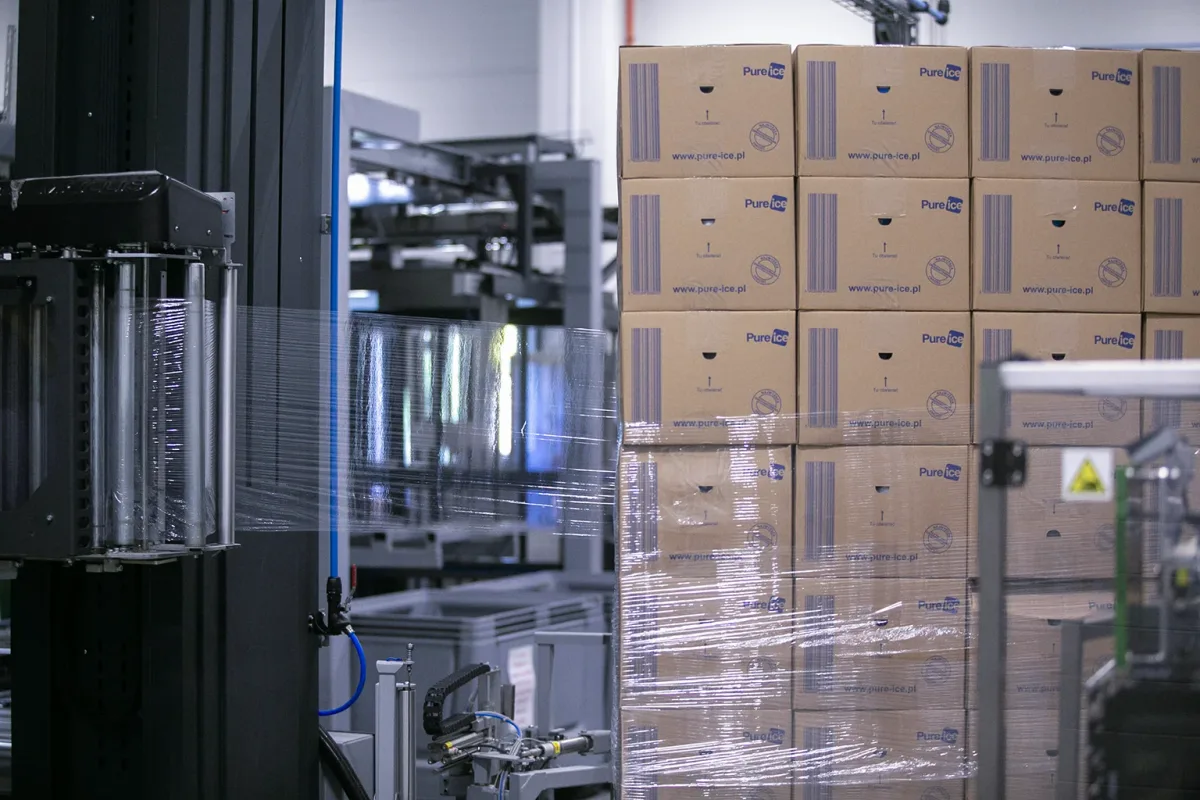
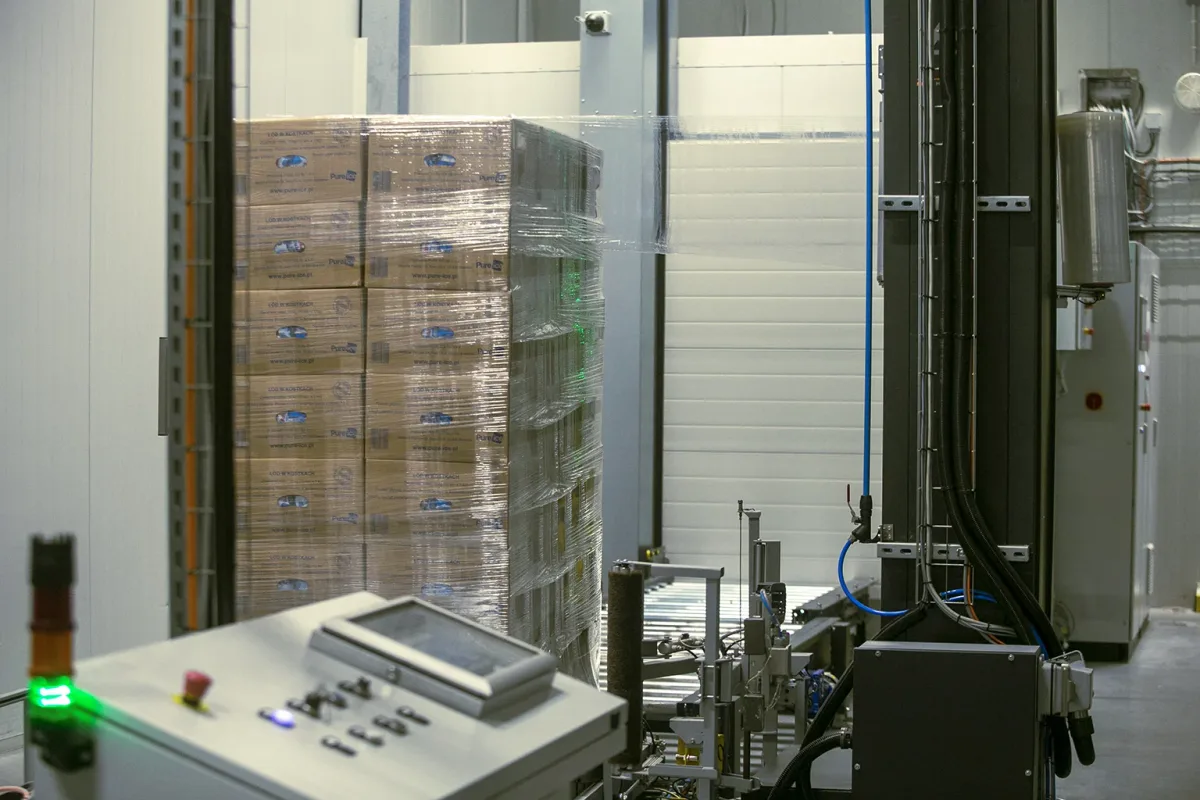
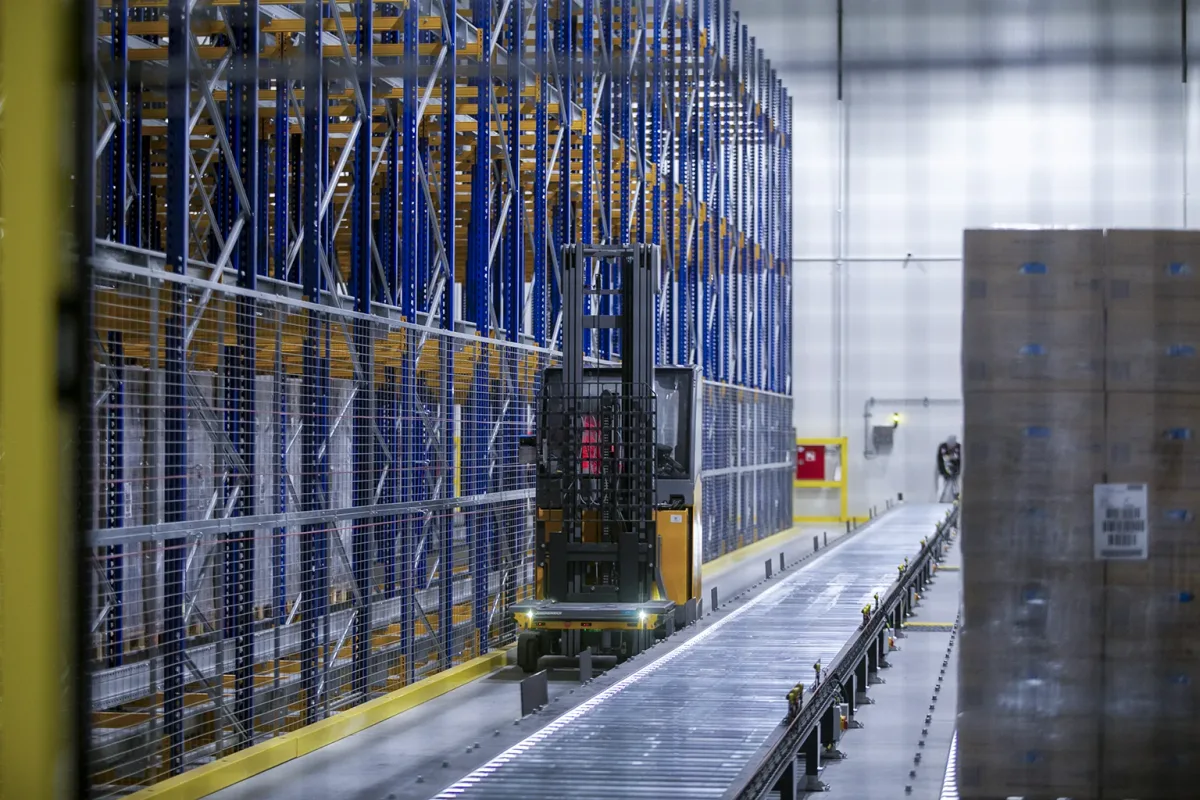
Please refer to the table below. The first column lists the legal guidelines applicable to Polish manufacturers, while the second column outlines the standards we have set for ourselves to make our ice stand out.
| Areas of risk identification | Polish law requirements | Certified Food Grade Ice requirements |
|---|---|---|
| Packaging | Marking shall meet the requirements of current legislation. | Unit and collective packages shall be marked in accordance with current legislation and designed to attract the attention of consumers. Unit packages shall be made of film approved for food contact, confirmed by migration and specific migration test results and the manufacturers' declaration of conformity. Packaging shall provide adequate strength to prevent spontaneous and uncontrolled unsealing. |
| Testing of the main component (water) | Intake water shall be tested once a year prior to production. | Intake water shall be tested four times a year (once a quarter) prior to production. The water's pH shall be constantly monitored. |
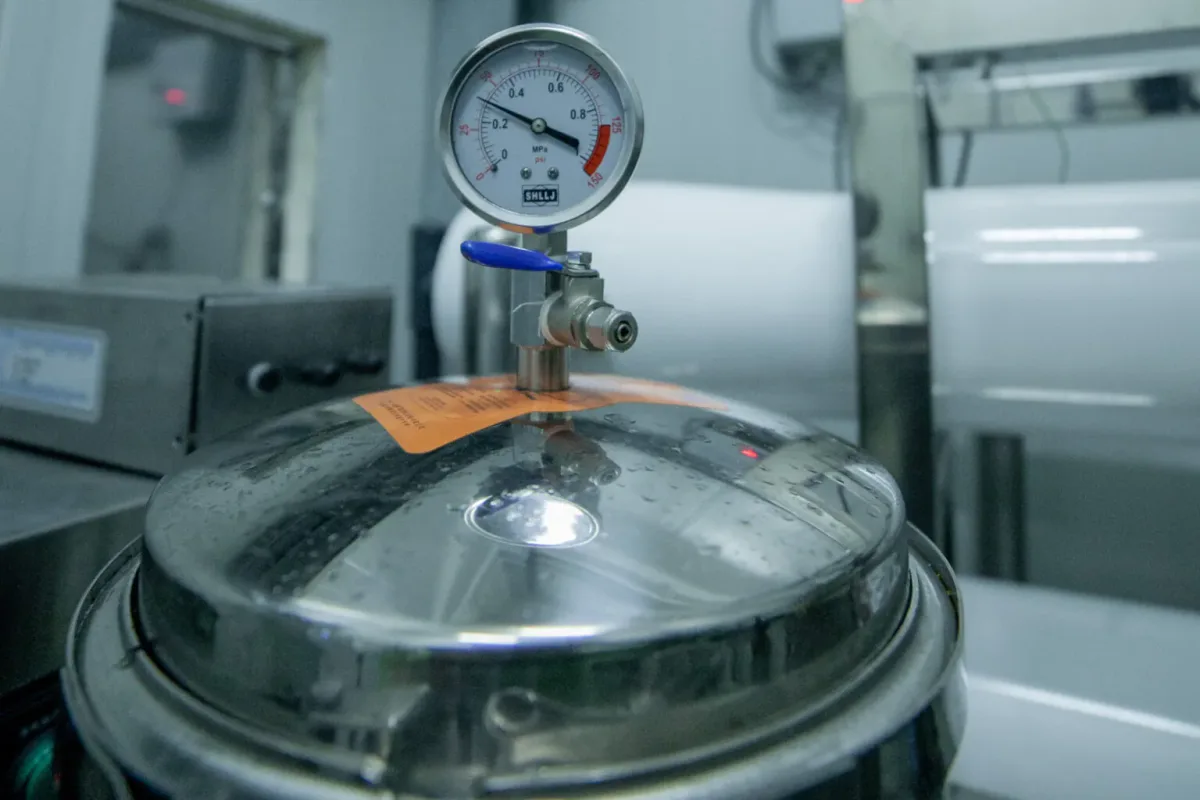
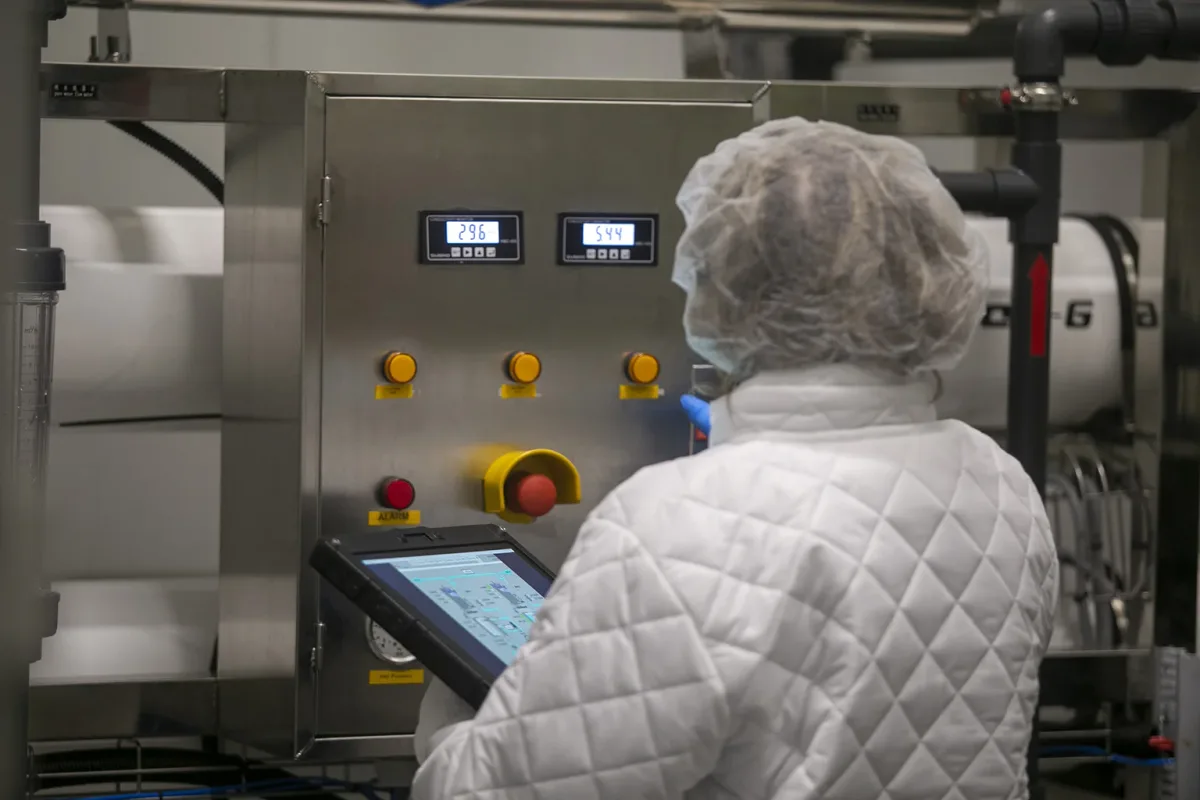
| Preparation of water for ice production | No requirements. | Multi-stage filtration with mechanical filters, including reverse osmosis, is required. The water pH and conductivity shall be constantly monitored. All water shall be sterilised with high-performance UV lamps before freezing. |
| Microclimate in the production area | No requirements. | Controlled temperature and humidity in the production area are required. Sensitive areas shall be sterilised with UV lamps. |
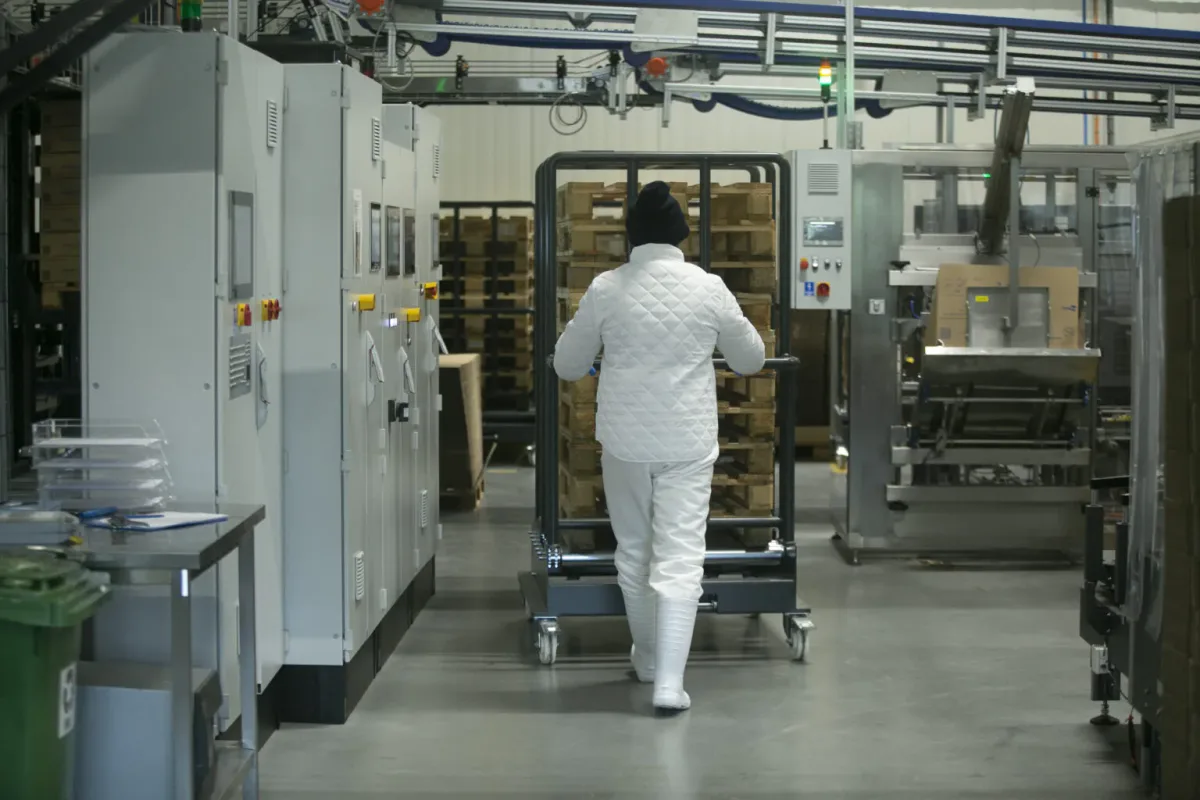
| Supervising the sanitary safety of the production line and area | No requirements. | Dirty and clean areas shall be separated with a disinfection lock before entering the production area, requiring hand washing and disinfection, footwear disinfection, and clean protective clothing, shoe protectors and caps. Machinery shall be kept microbiologically clean: industrial ice machines disinfected once a month, ice cube makers once a week, packaging lines in direct contact with the open product every fortnight and after any downtime over 96 hours, other equipment every two months and after any downtime over 96 hours, thorough disinfection of all machinery once a quarter. Random swabs of equipment in direct contact with the product once a fortnight, and swabs testing for bacteria from the production line four times a year. |
| Supervising the safety of ice for consumers during production | No requirements. | Continuous surveillance of product safety with a metal detector on the production line and a system to identify glass and plastic in the production area. |
| Testing of the finished product (ice) | No requirements. | The finished product shall be tested once a month and after each process downtime. |
| Control of the net weight of unit package contents | The weight shall be tested using the reference method (e.g. testing ten unit packages from one pallet of 500–1000 units). | The weight of each product unit package shall be monitored on an ongoing basis. |
| Full traceability of the finished product | No requirements. | Materials, raw materials and finished products shall be tracked in the chain from supply through production, warehousing and onward logistics, with full traceability of each unit package. The Traceability and Recall system allows immediate suspension and recall of defective products at any stage of the logistics chain. Full traceability and recall tests are carried out four times a year. |
| Sanitary inspections of manufacturers and operators | Inspection prior to approval of the plant, plus ongoing inspections by local Sanitary Inspectorates on average once every three years, in accordance with the basic HACCP checklist. | Inspections carried out at least once a year by independent accredited certification bodies according to a checklist covering all identified areas and check points of the Certified Food Grade Ice requirements. |
| Area | Polish law requirements | Recommended solutions |
|---|---|---|
| Ice calibration (separation) | No requirements. | Irrespective of the production method, ice cubes shall be constantly separated (calibrated) from fines and ice snow prior to packing in unit packages. |
| Drying | No requirements. | Ice cube blow drying from surface water and final freezing before packaging reduce crystallisation of dew and water in unit packages and reduce the risk of product caking and frosting. |
Critical points
With safety and high product quality in mind, we have focused on critical points that have a major impact on the final product.
Raw materials



Safety and hygiene



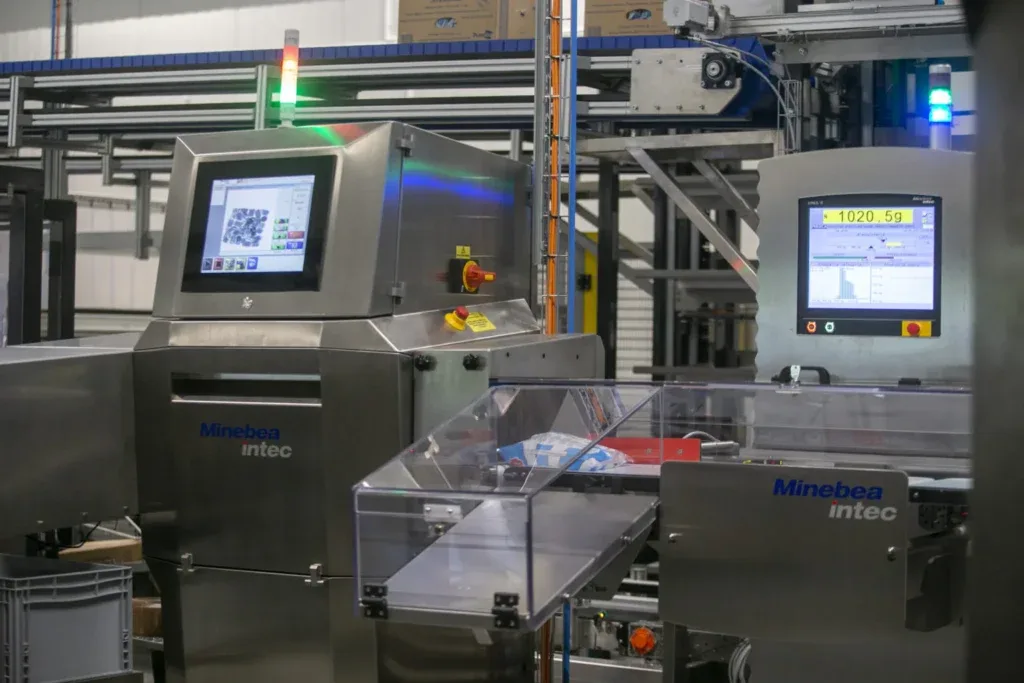
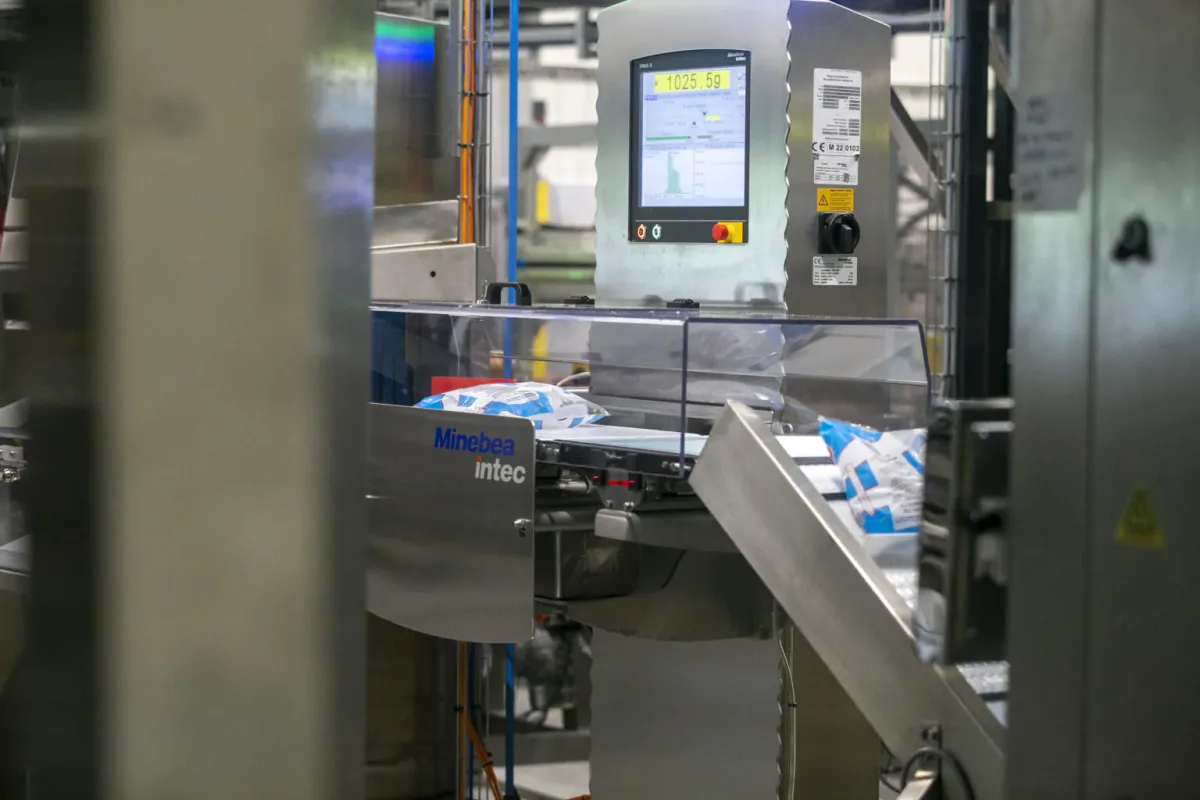
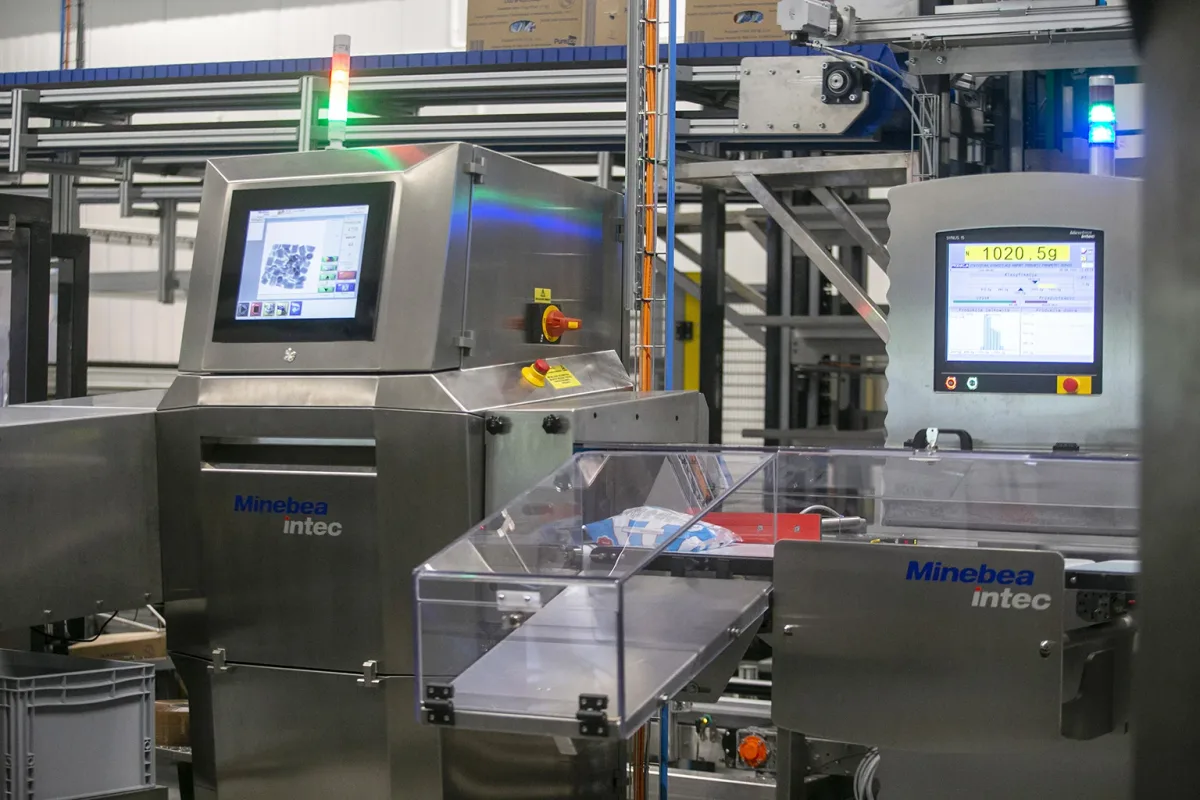
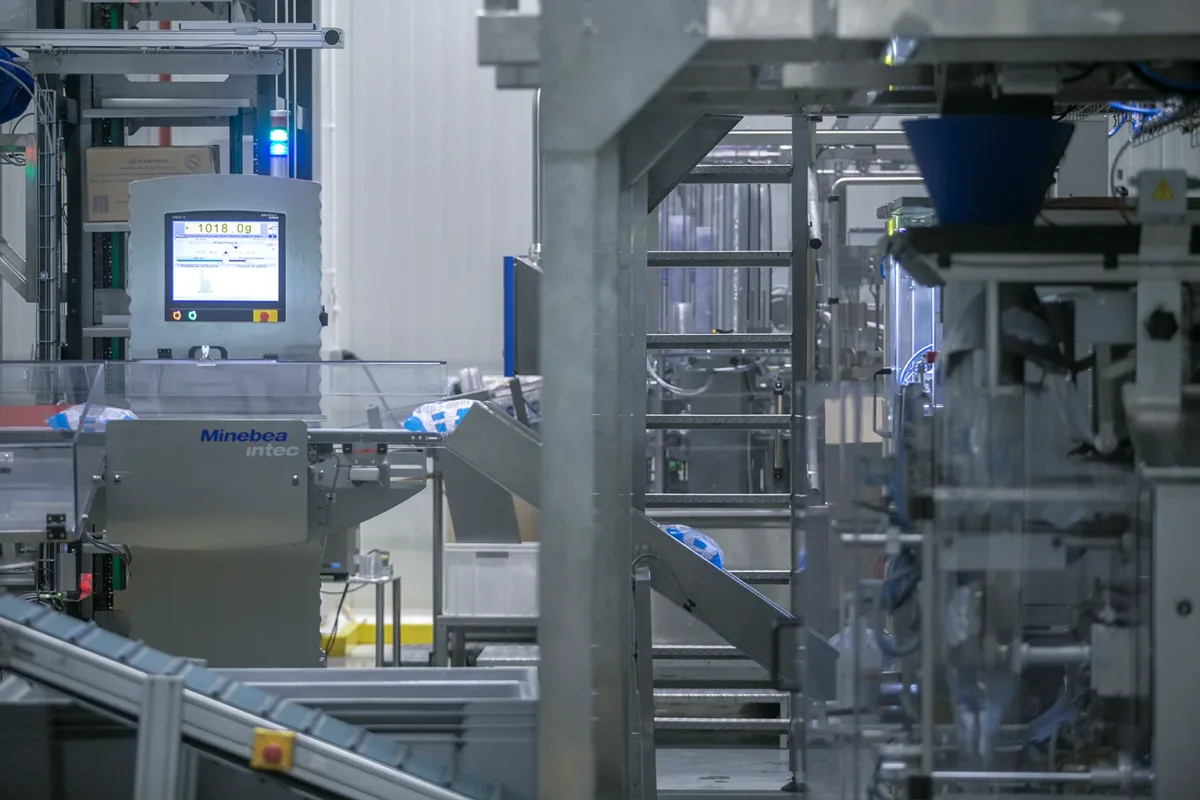
Continuous surveillance of product safety for consumers is provided by a metal detector and an X-ray machine on the production line, together with a system to identify glass and plastic in the production area. The weight of each product unit package is monitored on an ongoing basis, the product is laboratory-tested at least once a month and after each process downtime, and raw and production water is tested at least once a quarter.
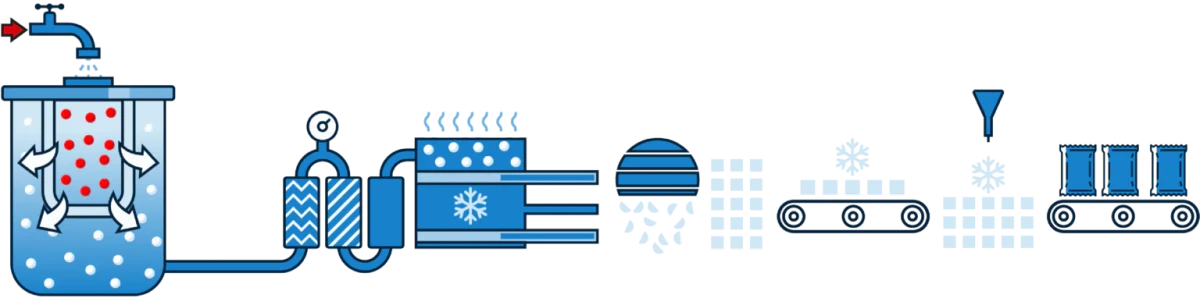
- Water filtration
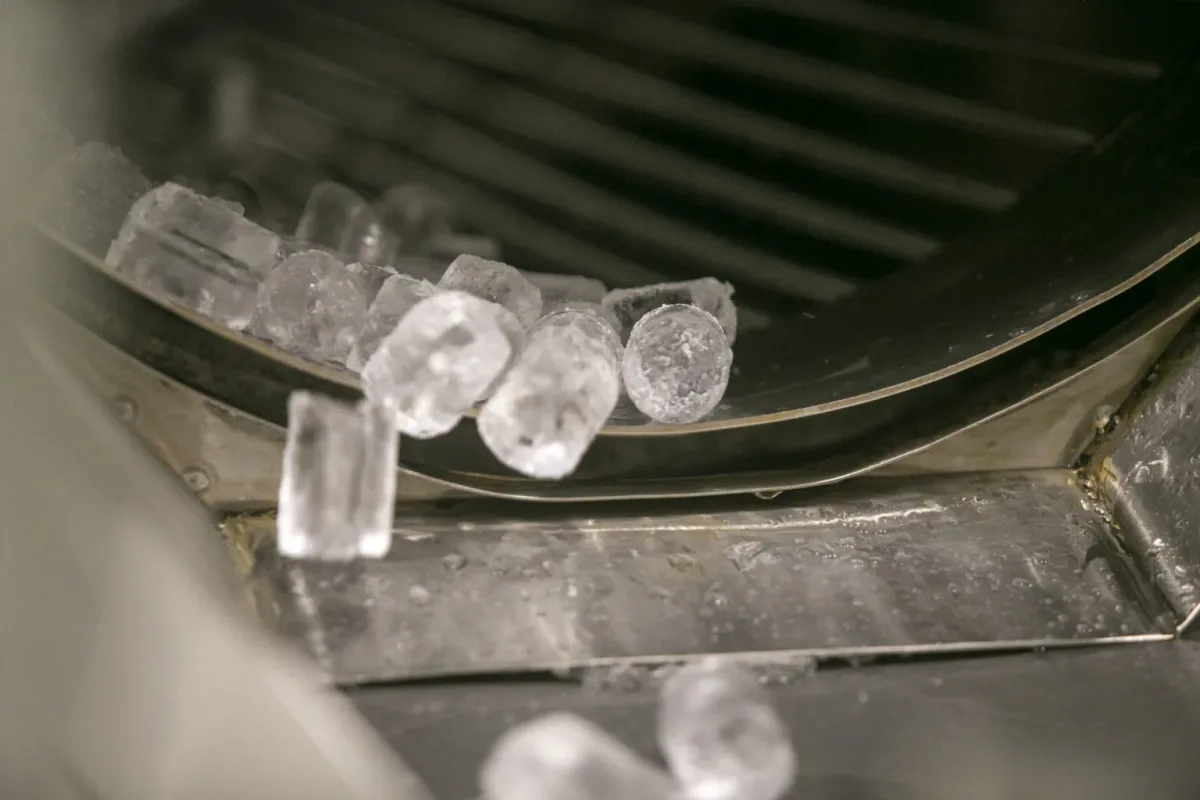
- Production of ice cubes in the ice machine
- Ice discharge into containers
- Ice drying on carriers
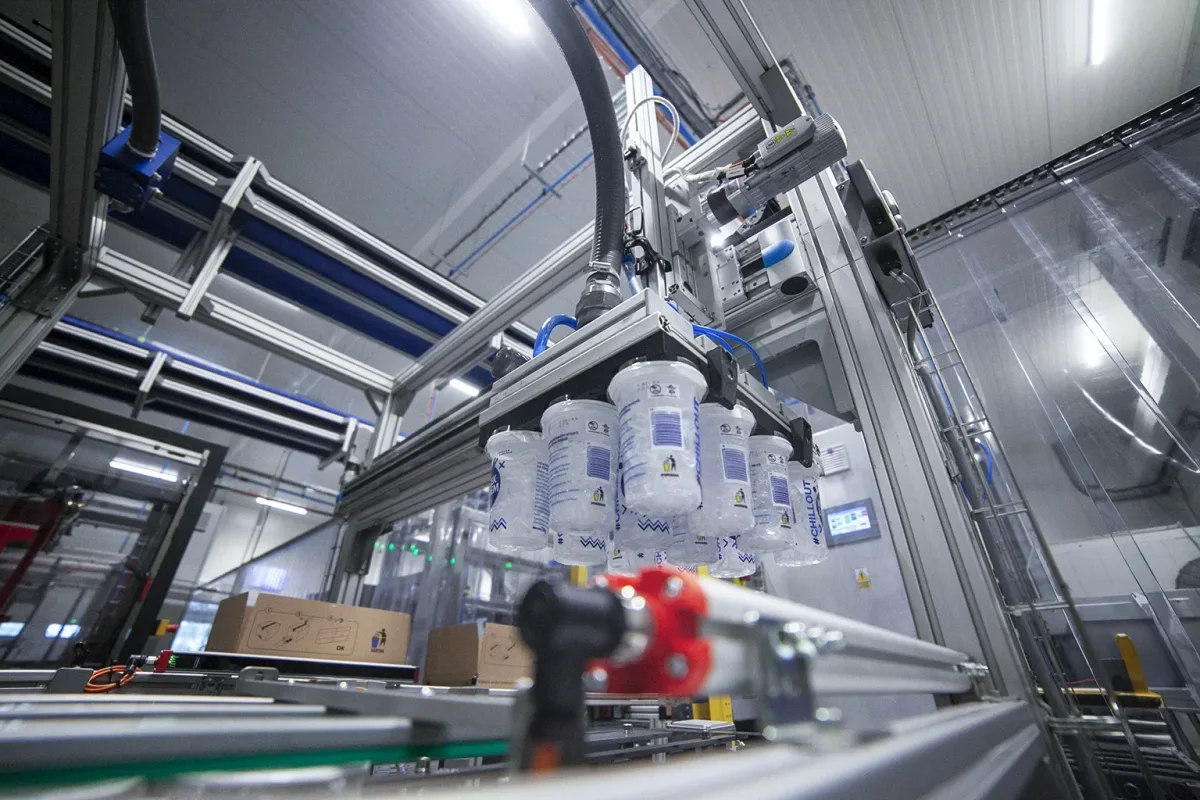
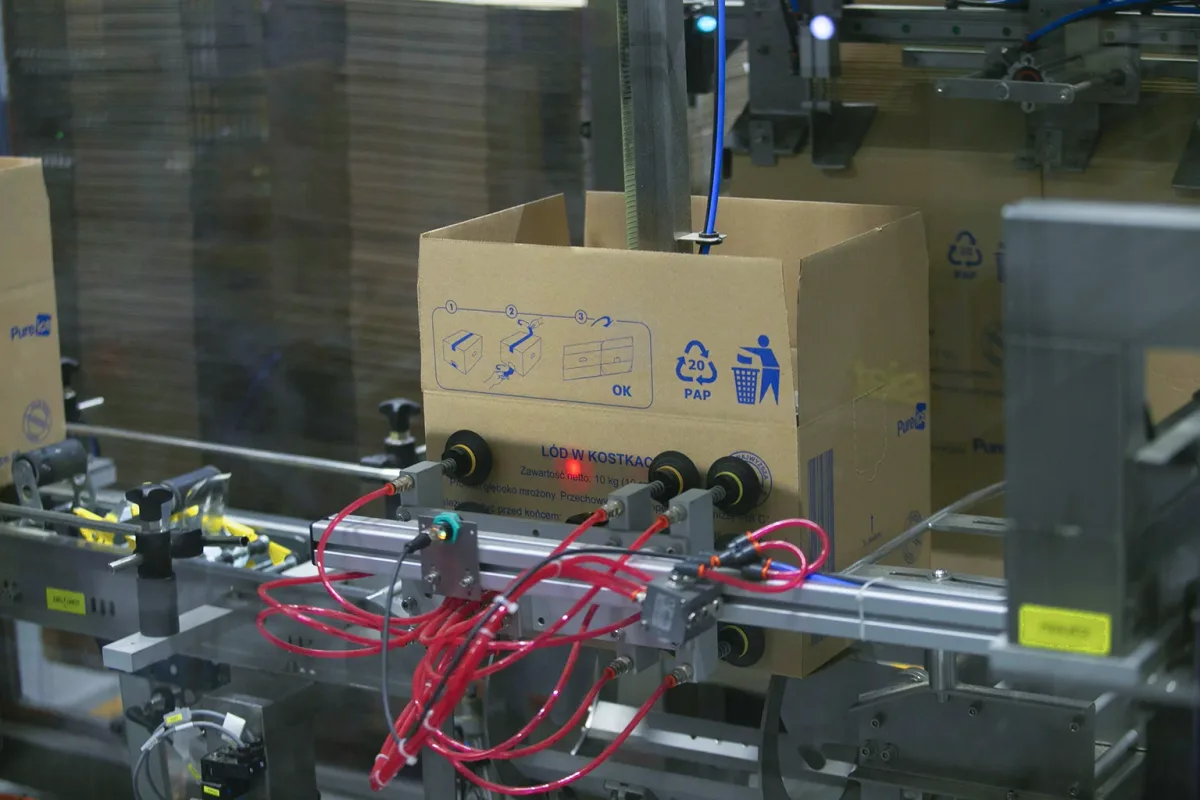
- Ice packaging using unit and collective packages